Boudoir Isn’t Vanity—It’s Healing
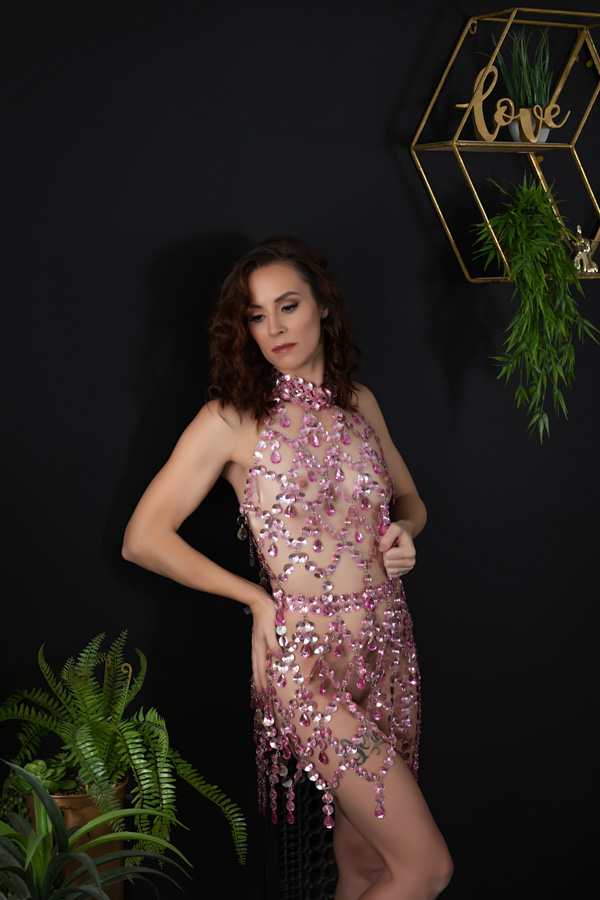
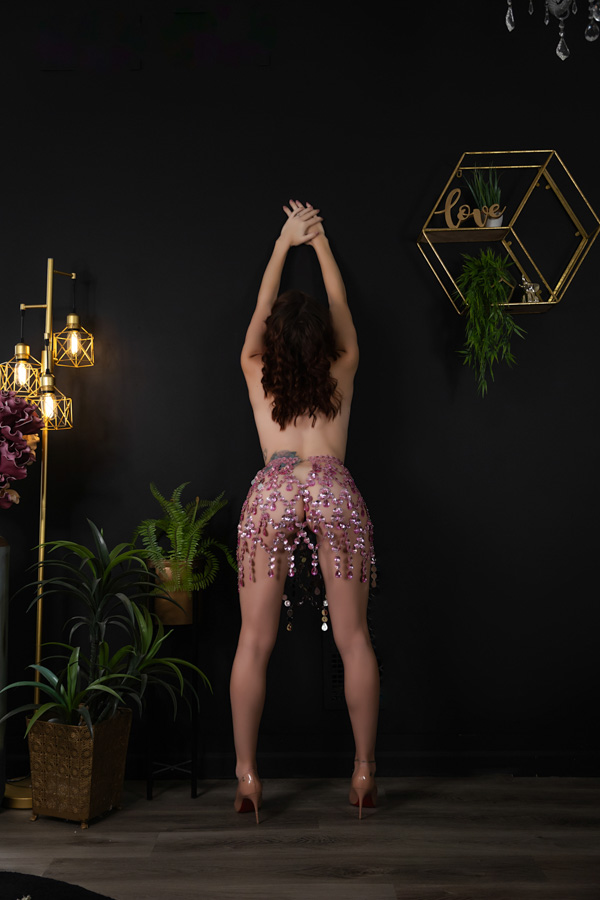
Boudoir often gets misunderstood as something rooted in vanity—a “sexy photoshoot” meant to show off. For many women, that assumption alone has held them back from stepping into the experience. But the truth is, boudoir has far less to do with how you look and far more to do with how you feel about yourself. It is not for show. It is not about proving anything to someone else. Boudoir, when experienced deeply, becomes healing, restorative, and profoundly clarifying.
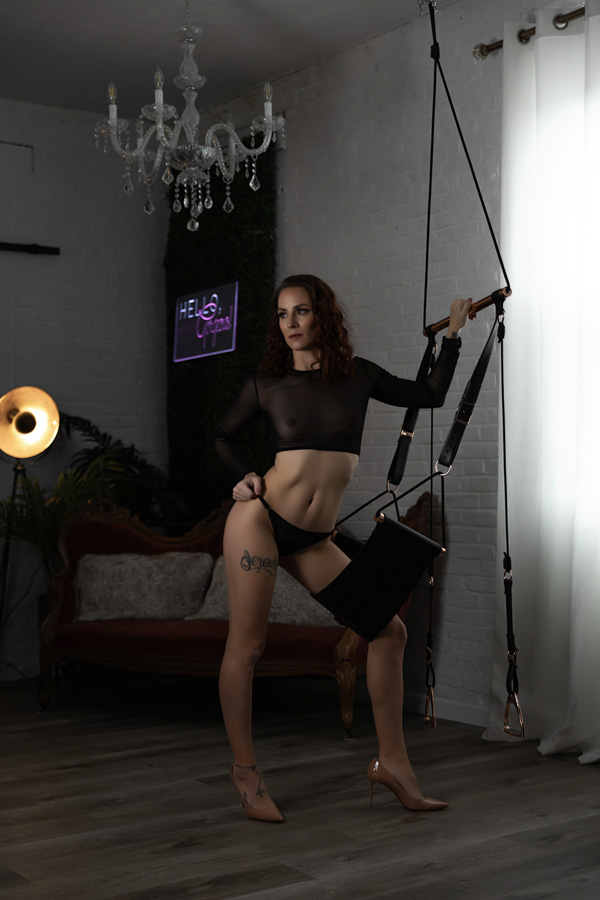
When a woman books a boudoir session, it’s rarely because she thinks she is perfect. More often, it is because she hasn’t seen herself in a way that feels powerful, beautiful, or worthy in a long time. Many women arrive carrying a lifetime of messages—criticisms about their bodies, comparisons to others, expectations they never asked for, and memories of when they once felt more confident or more at ease in their skin. The session becomes a moment to rewrite that internal story.
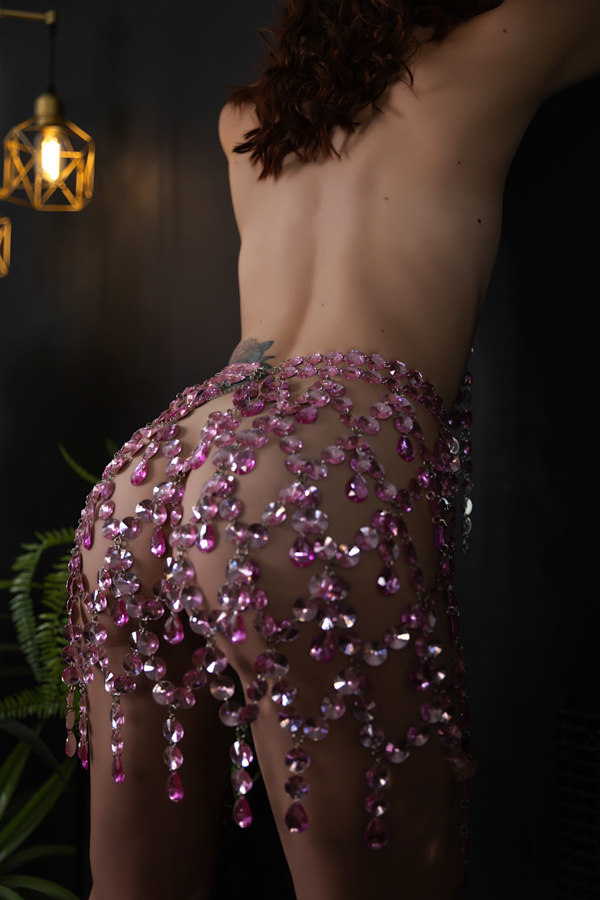
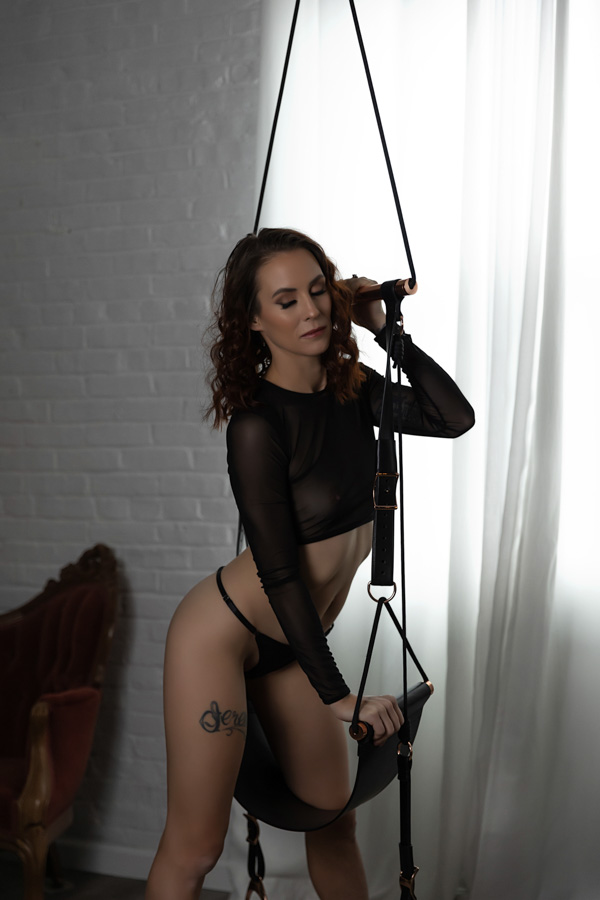 Boudoir is healing because it gives you a mirrored reflection of yourself that is not rooted in judgment, shame, or self-monitoring. In daily life, we stare at ourselves through bathroom mirrors, candid phone photos, dressing rooms with harsh lighting, and angles that amplify what we dislike. Those are not fair representations, yet we let them dictate how we feel about our bodies. The camera, when used intentionally and respectfully, reveals angles, strength, shape, softness, and presence you have forgotten you carry.
You don’t heal because your body suddenly transforms. You heal because you begin to see what has been there all along.
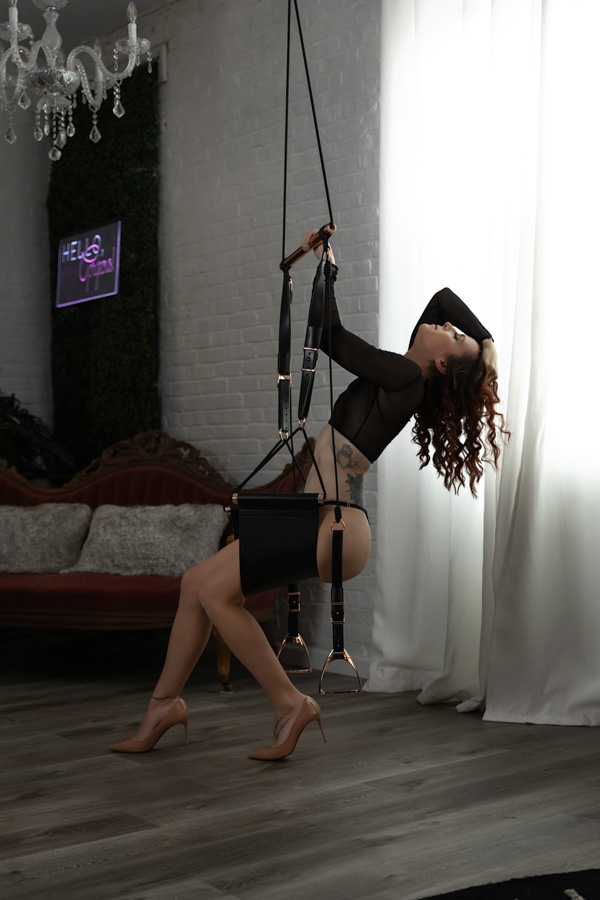
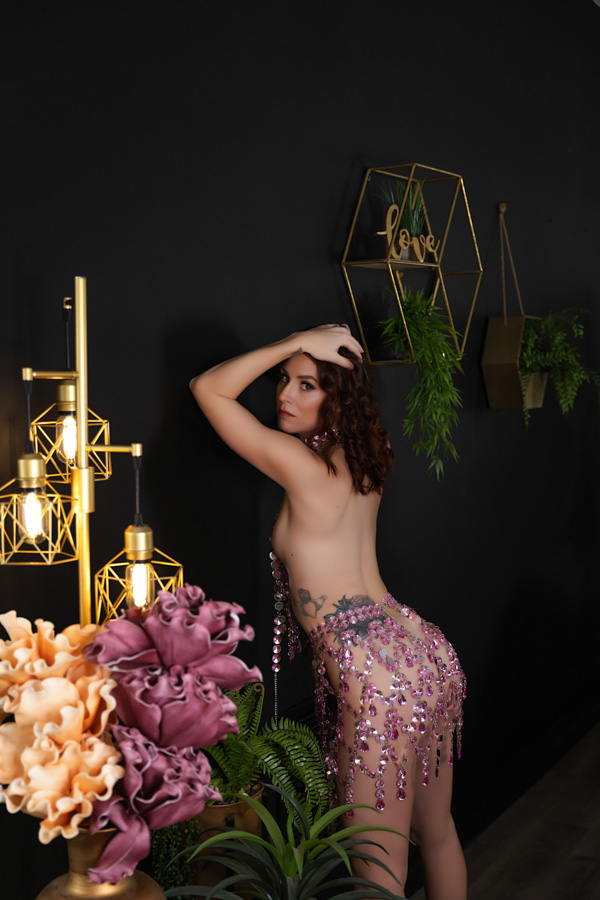
Healing happens when a woman sees herself in her fullness instead of fragmented pieces. So many women reduce themselves down to a single body part—a stomach they wish were flatter, arms they wish were thinner, hips they think are too wide—and they let that area define their worth. During a session, you see your whole self again. You see expression, energy, warmth, strength, elegance, curves, delicacy, and presence. You see yourself as someone complete—not someone lacking.
Boudoir is also healing because it allows you to occupy space without apology. For many women, that alone is emotional. To stand fully seen—without shrinking, explaining, justifying, or minimizing yourself—is powerful. During those sessions, you don’t need to earn the right to be photographed. You don’t need to change anything. You simply get to exist, and that is enough.

The experience becomes healing long before you see the photographs. Something shifts when you are witnessed with support instead of scrutiny. When you are guided with affirmation instead of critique. When every pose, every expression, yes even every moment of nervousness, is met with encouragement rather than correction.
And then—then you see the images.
The healing becomes tangible.
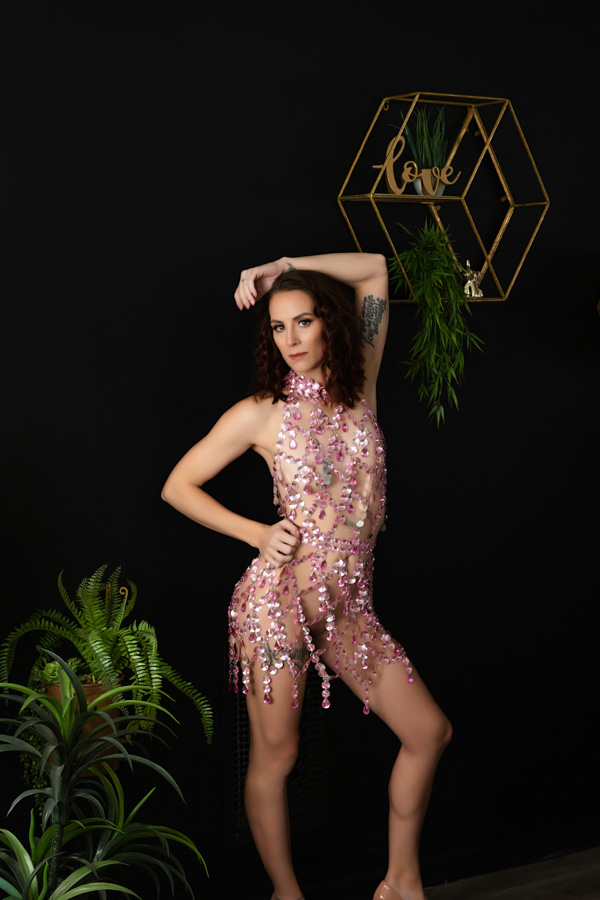
Women often cry—not because the photos are shocking or dramatic, but because they reveal a softness they haven’t allowed themselves to see. They reveal sensuality that was buried under comparison. They reveal joy that was heavier lately. They reveal a woman who has survived, endured, pivoted, grown, aged, changed, and still stands beautifully.
This isn’t vanity. Vanity is external. Vanity seeks admiration. Healing happens internally. Healing says:
“I am worth seeing.”
“I am worth honoring.”
“I am worth celebrating.”
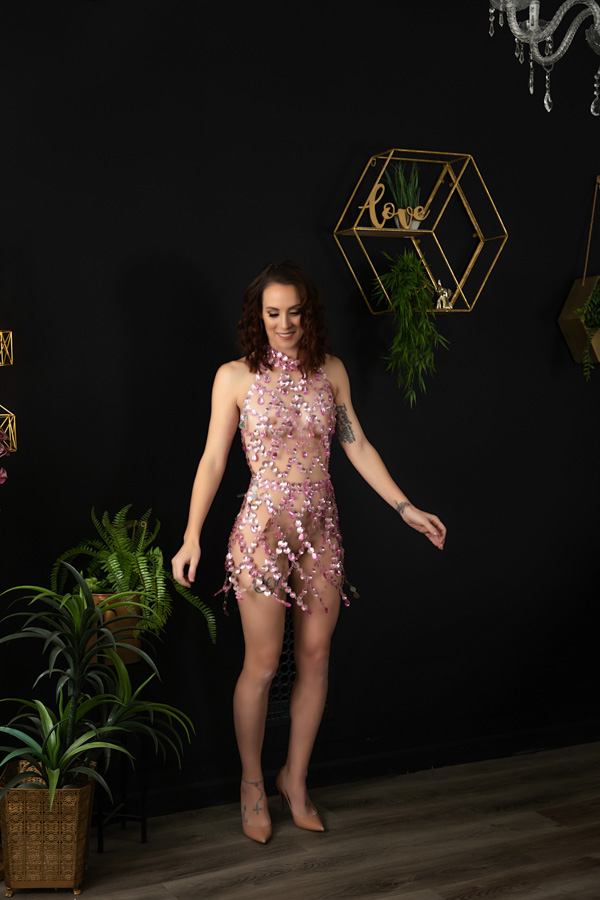
Boudoir gives women something they can return to later, especially on days when doubt becomes loud again. The album becomes evidence—proof of beauty during a time when you may not have felt beautiful. Proof of confidence during a season when confidence was harder to access. Proof of worthiness not tied to achievement, weight loss, perfection, or approval.
Women often walk out of their session lighter—not because they changed, but because something inside unclenched.
Boudoir doesn’t erase insecurity.
It softens it.
It puts distance between you and the voice that tells you you’re not enough.
When a woman sees herself with compassion, grace, confidence, and softness all at once, she begins to heal patterns that have been running in her life for years—often decades.
That is why boudoir is not vanity.
It is reclamation.
It is restoration.
It is remembering.
And for many women, it is the first time they stop seeing themselves through limitation—and finally see the woman everyone else has seen all along.